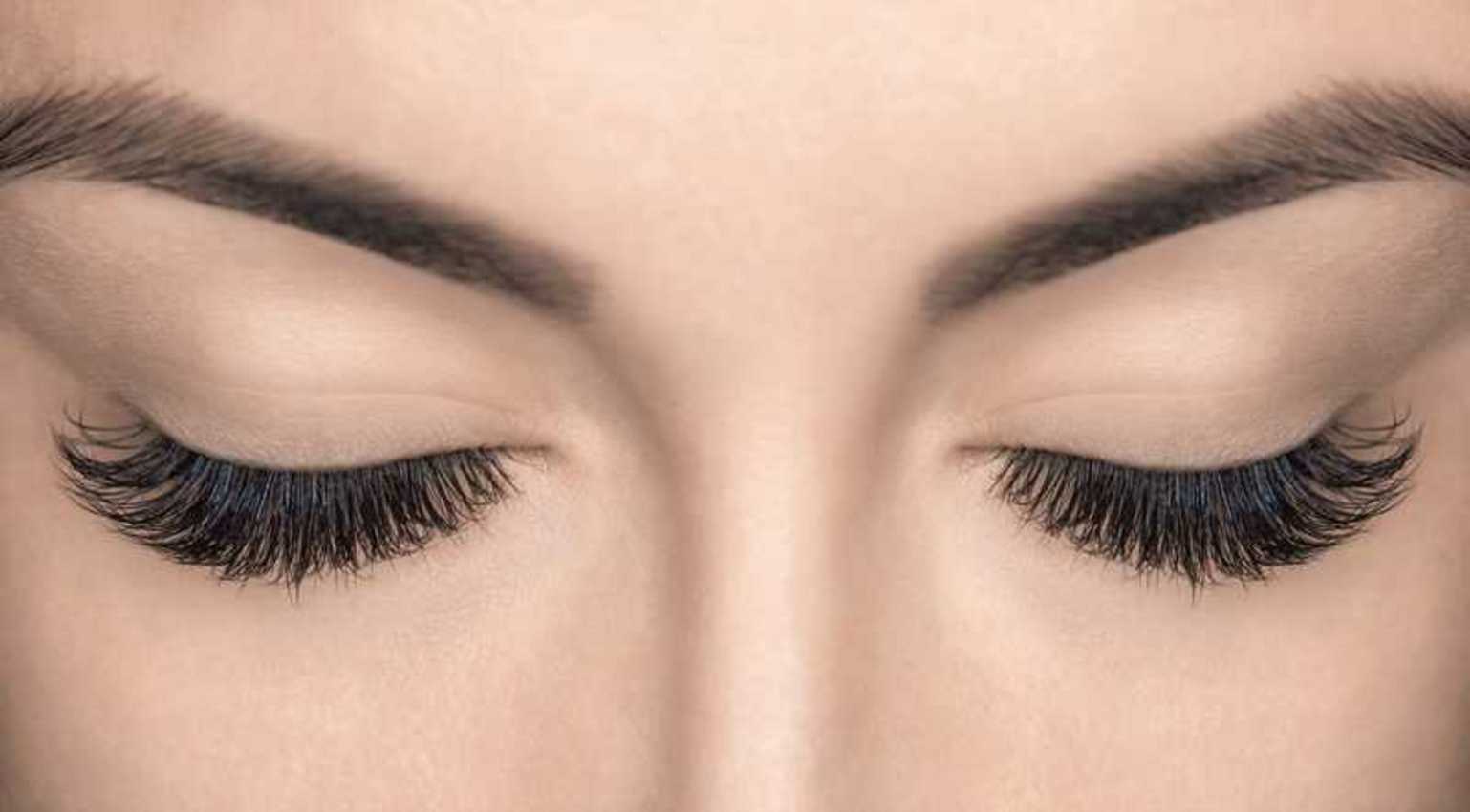
What Is Blepharospasm?

Blepharospasm or benign essential blepharospasm (BEB) is a neurological movement disorder that causes twitching, involuntary blinking or forceful closure of the eyelids due to repeated spasms of the eyelid muscles. Interestingly, the word Blepharospasm itself is from the Greek words blepharon, meaning eyelid, and spasmos, meaning spasm or uncontrolled contraction.
Whilst eye twitching can be a nuisance, and feel quite strong, they are not normally seen by others, or when looking into a mirror, they are short-lived and end on their own, however, blepharospasms can be more severe and become chronic (long-lasting).
A message from our optometrist: "Most eyelid twitching is harmless and is often linked to tiredness, stress, caffeine or dry eyes. However, if the twitching becomes persistent, causes your eyelids to close involuntarily, or starts affecting your vision or daily activities, it's important to have it assessed. Although benign essential blepharospasm is uncommon, early diagnosis can make treatment much more effective."
Eye Twitch vs Blepharospasm
It's important to distinguish benign eyelid twitching (myokymia), which is extremely common and usually settles within days, from benign essential blepharospasm, which is much less common and involves repeated involuntary closure of the eyelids.
What Are The Causes Of Blepharospasm?
Only a few direct causes of blepharospasm have been identified so far, but most instances of the condition don't have any clear or attributable cause. It is known that symptoms can be triggered by everyday activities such as
- Stress
- Eye strain
- Being fatigued
- Excessive screen time
- Dry eyes
- Eye Trauma
- Blepharitis
Blepharospasm can also be associated with neurological conditions, including:
- Tourettes syndrome
- Parkinson's disease
- Multiple sclerosis
- Cerebral palsy
- Medications - Certain medications (including some medicines used to treat Parkinson's disease or psychiatric conditions, and occasionally benzodiazepines or HRT)
What Are The Symptoms Of Blepharospasm?
Anyone experiencing one or more of the following symptoms may be affected by blepharospasm. It's recommended to speak with your doctor if you feel that it's a problem that's affecting you and your day-to-day life.
- Excessive blinking or spasming of the eyes
- Uncontrollable contractions or twitches of the eye muscles, sometimes spreading to other nearby muscles in the face
- Eyes that feel dry
- Sensitivity to bright light
For a majority of people who experience the condition, the symptoms don't last long, perhaps only a few minutes, hours, or days before disappearing. However, in rare cases, the twitching can be persistent, lasting much longer, and perhaps causing lifelong challenges. In those rare situations, the symptoms can be severe enough to make it difficult or impossible to keep the eyes open, causing functional blindness even though the eyes themselves remain healthy. The eyelids may open and close repeatedly, or may even feel like they are clamping shut and unable to open. People with injuries or other causes of pain to their face or eyes can experience reflex blepharospasm, which is a reaction to the pain itself and should subside when the pain does.
Different Types Of Blepharospasm
There are actually two types of blepharospasm, essential and reflexive, but both exhibit nearly the exact same symptoms.
Essential blepharospasm is a neurological movement disorder that involves the involuntary and sustained contractions of the muscles near and around the eyes. The cause of this type of blepharospasm is not clear, but it is thought to be triggered by a number of factors, such as fatigue, stress, or even a foreign substance or irritant that's affecting the eye.
Reflexive blepharospasm is merely a reaction to moderate to severe pain or discomfort near the eyes, usually somewhere close to the eyes, nose, or mouth.
How Is Blepharospasm Treated?
Neither of these conditions has an established or effective cure, but there are several options available for treatment. Since blepharospasm severely impacts so few people, despite appearing in so many, the treatments are not always recommended and are likely unnecessary for most cases. The three most common treatments are:
- Lifestyle measures - For many people, simple lifestyle changes are enough to reduce mild eyelid twitching. Getting adequate sleep, managing stress, limiting caffeine and alcohol, taking regular breaks from digital screens, and treating dry eyes with lubricating eye drops can all help reduce symptoms. If blepharospasm is triggered by bright light, wearing sunglasses outdoors and avoiding excessive glare may also provide relief.
- Botulinum Toxin Injections - Popularly known as Botox, this derivative of botulism is effective at inducing localised partial paralysis, which can stop the muscles around the eyes from twitching. The effects of the injections are almost immediate. This is by far the most preferred method of treatment for chronic blepharospasm, but it is not a permanent cure. The treatments only last several months and will need to be repeated as long as the symptoms of the condition persist. Some people may find that over time, repeated injections can result in a reduction in effectiveness, and they may eventually need to seek out another form of treatment.
- Drug Therapy - Anticholinergics, tranquillising medication, and botulinum toxin are the most commonly prescribed therapeutic options, but none of them is guaranteed to provide positive results. In fact, their effects can be unpredictable and sometimes less than ideal. In some cases, they are not only ineffective, but the side effects are worse than the blepharospasm they are intended to treat. Treating this condition with medication can be a challenging course of trial and error before settling on effective treatment, but it may not be effective for everyone.
- Surgery - This is reserved for severe cases that do not respond adequately to botulinum toxin injections and other treatments
The most effective surgical treatment is known as protractor myectomy, which involves the removal of muscles responsible for eyelid closure. This is only used in the most extreme cases of blepharospasm, where every other available treatment option has been exhausted.
Don't forget, if you have any worries or concerns, speak to your optometrist, or you can check out our Eye Help pages, which are available to everyone. However, if you order lenses from us, you will have access to our contact lens aftercare pages and our optometrist from within Your Account.