Meibomian Gland Disorder
Meibomian Gland Disorder (MGD) is a condition in which the tiny Meibomian glands within the eyelids fail to function properly. Under normal circumstances, these glands are responsible for producing small amounts of an oily lipid that helps keep the eyes well-lubricated. Without this substance, the watery portion of tears evaporates very quickly, leaving the eyes feeling very dry and irritated.
Each eye has between 60 and 80 Meibomian glands, with the upper eyelids usually having slightly more than the lower eyelids. Approximately 20 to 30 Meibomian glands are on the lower lid and 40 to 50 on the upper lid. They are susceptible to becoming blocked or clogged, which then leads to a host of issues. In addition to diminished lubrication of the eyes, the clogged glands can also swell, filling with fluid that is unable to drain. Blocked glands may lead to a painless lump known as a chalazion. If the blocked gland becomes infected, it can develop into a painful red swelling called a stye (hordeolum). They are painful, red bumps that can grow to almost a centimetre in diameter. Sometimes these blockages can drain on their own or with the application of a warm, damp cloth. Otherwise, they may need to be treated by a doctor, who will be able to drain them through a very small incision.
Our optometrists' insight: "Many people assume dry, gritty eyes simply mean they need more eye drops, but in reality the underlying problem is often blocked Meibomian glands. Regular warm compresses and good eyelid hygiene can make a significant difference and, when started early, may help prevent the condition from becoming more troublesome."
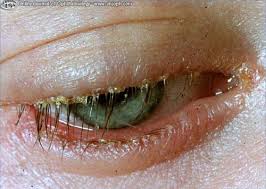
Blockages can be caused by dried fluids, dead skin cells, dirt, or even small parasites called Demodex mites that live inside the glands. Specialised soap intended for washing the eyelids can help with most of these causes, except the mites, which may require specific lid hygiene treatments or prescription medication, depending on the severity to safely and effectively eliminate.
Meibomian gland dysfunction is now recognised as one of the most common causes of dry eye disease, particularly evaporative dry eye. It affects a surprisingly large number of people in the world.
MGD becomes increasingly common with age and is one of the most frequently diagnosed conditions seen in eye clinics worldwide. However, not all ethnicities are at equal risk. Between 50-70% of the population in countries like Thailand, Japan, and China are affected, compared to only 3-20% of people in the US, Australia, and Canada.
Certain personal hygiene and cosmetic products can also contribute to MGD, especially those used particularly close to the edges of the eyes. Being careful during application, as well as thoroughly removing the products at night, will reduce the risk of developing clogged Meibomian glands.
Symptoms of Meibomian Gland Dysfunction
The symptoms of Meibomian gland dysfunction are virtually identical to those of dry eye syndrome,
- Red eye or eyes
- Itchy eyes
- Blurred vision
- The sensation of a foreign body in the eye.
Unfortunately, these symptoms alone aren't enough to diagnose the issue, as they may point to a large number of different eye-related issues. It's best to make an appointment with an eye doctor who can perform an exam and provide an accurate clinical diagnosis.
During the exam, the doctor will likely apply gentle pressure to the eyelid in an attempt to express the fluid within the Meibomian glands. Based on the amount and appearance of the secretions, if any, a diagnosis of MGD may be made.
Some practices may also use specialised imaging (meibography) to assess the structure of the Meibomian glands and determine how advanced the condition is.
Treating Meibomian Gland Dysfunction
There is no uniform treatment for Meibomian gland dysfunction, but rather a diversity of options. To treat the condition, your Optometrist or eye doctor needs to determine whether it is caused by blocked glands or insufficient oil production. Both of these causes are likely to include specialised eye drops, designed to either loosen and relieve the clog or moisten and lubricate the surface of the eye.
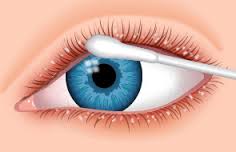
The classic approach of simply applying a warm, damp cloth will help to soften and loosen the dried, oily clogs, but it is not a comprehensive cure. Fortunately, modern medicine has developed far better ways of treating MGD, such as tools designed to probe and dilate the openings of the Meibomian glands in order for their fluids to flow properly.
Warm Compress
Applying a warm (not hot) compress to the closed eyelids for 5 to 10 minutes helps soften the oils trapped within the Meibomian glands. This is often the first treatment recommended and can be particularly effective when performed daily.
Eyelid Massage and Eyelid Hygiene
After warming the eyelids, a gentle massage can help encourage the natural oils to flow from the glands. Regular eyelid cleansing with specially designed eyelid wipes, foams or cleansing solutions also helps remove debris, bacteria and excess oils from the eyelid margins. Good eyelid hygiene is one of the most effective long-term ways of managing MGD.
Artificial Tears
Lubricating eye drops (artificial tears) can help relieve the dry, gritty sensation caused by MGD. Although they improve comfort, they do not treat the underlying gland dysfunction, so they are often used alongside other treatments.
Diet
Some studies suggest that increasing omega-3 fatty acids through oily fish, nuts, or supplements may improve the quality of the oils produced by the Meibomian glands in some people, although research findings have been mixed. Eating a healthy, balanced diet remains beneficial for overall eye health
Meibomian Gland Probing
This is a simple technique performed by your eye doctor to unclog the opening and main duct of your Meibomian glands. After anaesthetic eye drops are applied to the eye, your doctor uses a hand-held instrument to probe and dilate the openings of your Meibomian glands near the base of your eyelashes.
This highly effective and successful means of clearing blockages and eliminating MGD symptoms, may be recommended in selected cases that do not respond to more conservative treatment. However, it does not prevent the condition from developing again in the future.
Because of the risk of infection posed by Meibomian gland blockages, antibacterial eye drops may also be prescribed; however, they may not be needed and should only be used under a doctor’s recommendation.
Prescription Treatments
If inflammation or infection is contributing to MGD, your optometrist or ophthalmologist may prescribe antibiotic eye drops, antibiotic tablets, anti-inflammatory medication or other treatments, depending on the underlying cause. If Demodex mites are suspected, specific lid hygiene treatments or prescription medication may also be recommended.
Punctal Plugs
If dry eye symptoms remain troublesome despite treating the Meibomian glands, punctal plugs may sometimes be recommended to help retain tears on the surface of the eye. These small plugs are inserted into the tear ducts; they effectively block the duct and prevent drainage, therefore keeping the tears in the eye.
Specialist In-Office Treatments
For persistent or more severe cases, specialist eye clinics may offer treatments such as thermal pulsation therapy (for example, LipiFlow), intense pulsed light (IPL) therapy, Meibomian gland probing or other gland-heating procedures. These treatments aim to improve the flow of oils from blocked glands and may provide longer-lasting relief for suitable patients.
As with any eye-related problem, only your optometrist, ophthalmologist, or eye doctor can make an accurate diagnosis and prescribe an effective treatment plan. Anyone suffering from dry, irritated eyes should schedule an appointment with an eye care professional today.
Early diagnosis and regular eyelid care can help control symptoms and reduce the likelihood of long-term dry eye problems.
Don't forget, if you have any worries or concerns, speak to your optometrist, or you can check out our Eye Help pages, which are available to everyone. However, if you order lenses from us, you will have access to our contact lens aftercare pages and our optometrist from within Your Account.