
Eye size compared in the animal kingdom
Have you ever wondered which animals have the biggest peepers? It's not just about looking adorable (big eyes do help), large eyes in the animal kingdom are all about survival. Let's look into some of nature's most fascinating big-eyed creatures out there.
Land animals with the biggest eyes
• The ostrich: Ostriches have the largest eyes of any land animal and each eye is about the size of a snooker ball! That size is not for show. It gives them strong long range vision which is useful on open plains where spotting predators early is a case of life or death.
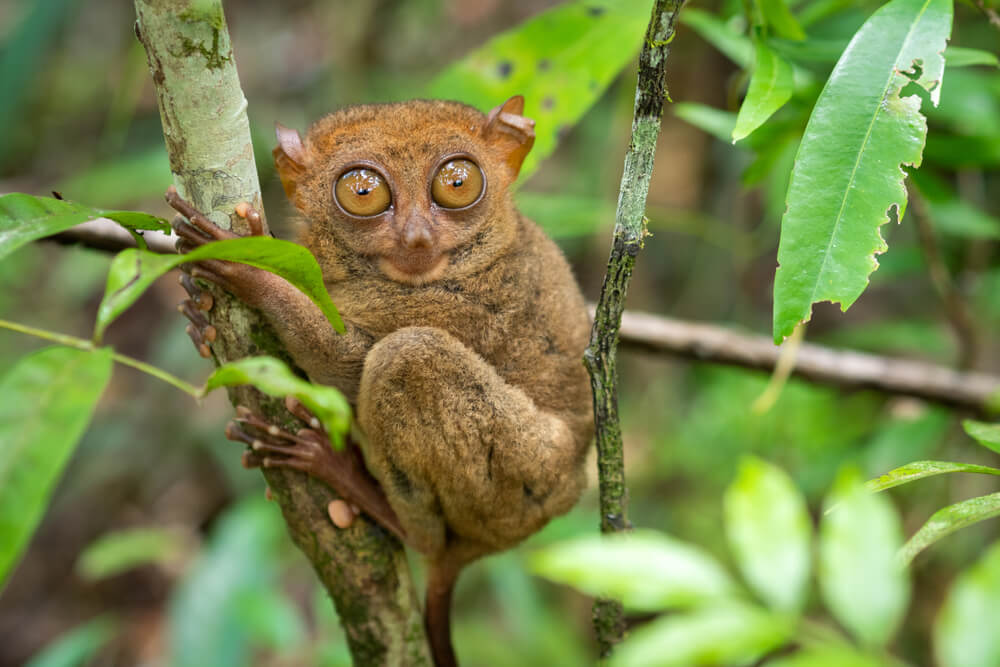
• The tarsier: Tarsiers are tiny but their eyes are huge in comparison to their bodies. Each eye is roughly as big as its brain. They are nocturnal so those oversized eyes help them see in low light while they hunt insects at night.
• The horse: Horses have the largest eyes of any domesticated animal. Each eye is around the size of a golf ball. Combined with the position on the side of the head, that gives horses a wide field of view, which helps them notice movement and react quickly.
• The owl: Owls are famous for their large forward facing eyes. Big eyes let more light in which boosts night vision. That is one reason owls can hunt so effectively in the dark even when prey is moving quietly.
Water based animals with the biggest eyes
• The colossal squid: The colossal squid has the biggest eyes in the animal kingdom. They can be about 11 inches across, roughly dinner plate size! In the deep ocean, light is scarce so large eyes help it detect faint movement and silhouettes.
• The swordfish: Swordfish also have large eyes often compared to a tennis ball. This helps them track prey in darker water and react fast while they are hunting at speed.
• The giant squid: Giant squid eyes are not quite as large as the colossal squid’s but they are still impressive. People often compare them to a basketball. In deep water that extra light capture is a massive advantage.
• The mantis shrimp: Mantis shrimp do not win on eye size but their eyes are among the most advanced. They can detect polarised light and see more colour wavelengths than humans helping them spot contrast and movement underwater.
Two honourable mentions for “strangest” eye setups:
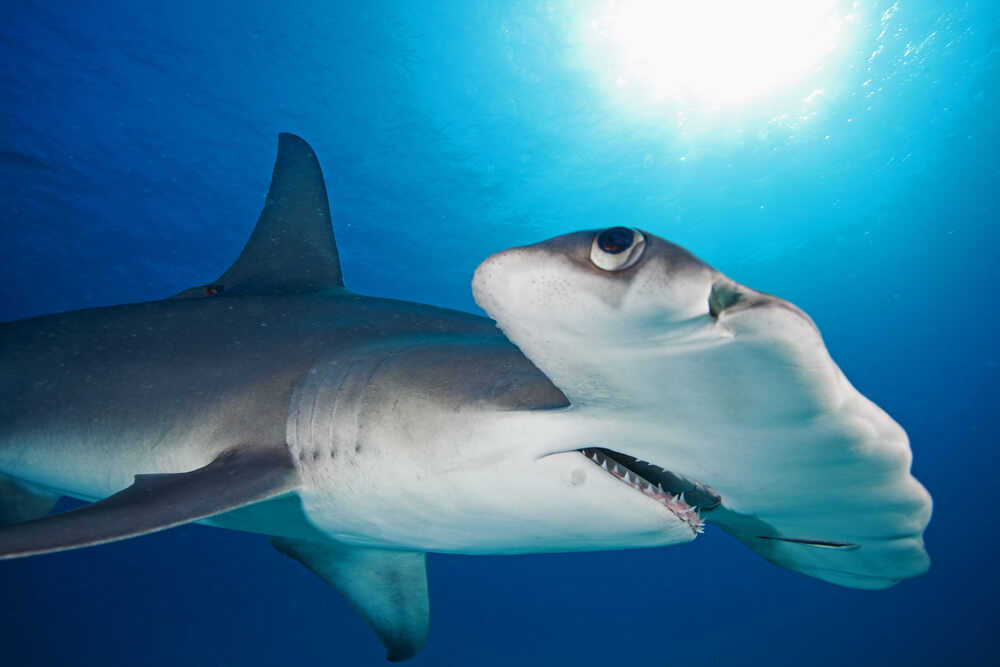
• The hammerhead shark: Hammerheads have eyes on the ends of their wide head helping them increase their field of view and scan above and below while they swim.
• The blobfish: Blobfish live deep where light is limited. Their eyes are built to pick up faint light and shapes in murky water helping them navigate and find food.
Big eyes are not just a quirky feature. They usually are there to solve a problem. More light capture, earlier detection of movement and better survival in low light places like deep oceans, night habitats or wide open plains.