Why are my eyes red and bloodshot?
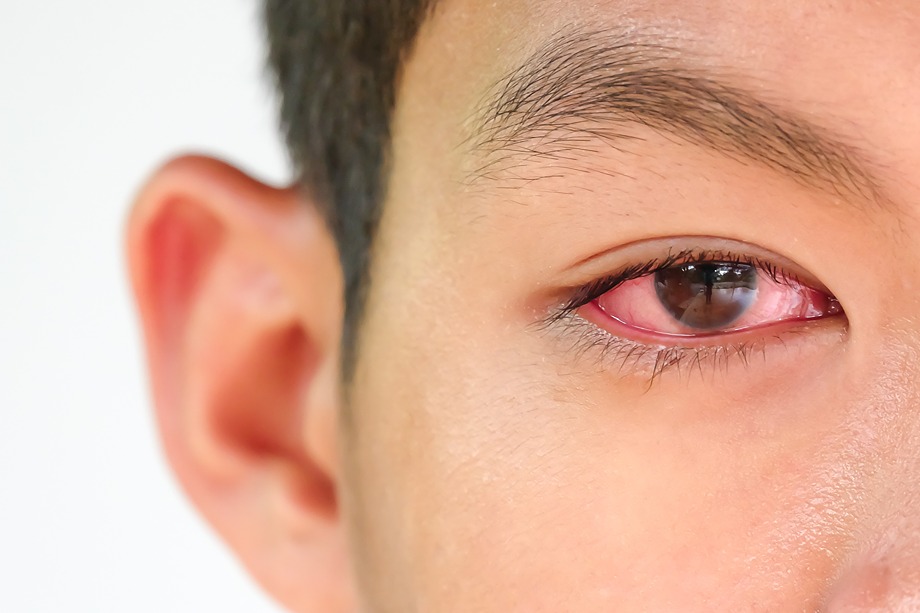
Bloodshot or red eyes occur when the tiny blood vessels on the surface of the eye become enlarged or inflamed. They are commonly caused by eye fatigue, allergies, dry eyes, irritation, over-wearing contact lenses, or airborne pollutants, and normally pose little cause for concern. However, if a red eye is accompanied by pain, impaired vision, or light sensitivity, then this may indicate a more serious eye condition requiring urgent medical attention.
Seek urgent medical attention from an A&E department if your red eye is accompanied by any of the following;
- Severe eye pain
- Sudden changes in vision
- Sensitivity to light
- Severe headache with nausea or vomiting
- A recent eye injury
- A pupil that appears larger than the other
A message from our optometrist: "A red eye isn't always an emergency, but pain, blurred vision, or sensitivity to light should never be ignored. One of the biggest mistakes we see is people continuing to wear contact lenses when an eye becomes red or uncomfortable. Removing your lenses immediately and seeking professional advice if symptoms don't improve can help prevent a minor irritation from becoming a sight-threatening infection."
What Causes Bloodshot Eyes?
There are numerous causes and conditions that can cause bloodshot eyes, from lack of sleep to eye infections. They can be broken down into three main categories: Environmental, Common eye conditions, and Serious eye conditions.
Environmental causes of bloodshot eyes
- Air Pollution
- Airborne allergens
- Smoke - secondhand cigarette smoke, fire-related
- Dust Particles
- Dry Air - Air conditioning, airplane travel, arid climates
- Chemicals - swimming pool chlorine, suntan cream, shampoo, etc
- Fumes - solvents etc
Common eye conditions that can cause bloodshot eyes
- Dry eye syndrome
- Conjunctivitis (Pink eye)
- Eye strain
- Falling asleep in contact lenses
- Ingrowing eyelash
- Blephritis
- Meiomian gland dysfunction (MGD)
Serious eye conditions that can cause bloodshot eyes
- Corneal abrasion (eye injury)
- Infection
- Eye surgery
- Corneal ulcer
- Uveitis
We could probably add lifestyle choices in here, as tobacco smoke, marijuana smoke, excess alcohol, lack of sleep, extended periods of screen activity, and dehydration can all cause bloodshot eyes to some degree. Fortunately, these causes are usually temporary and the bloodshot eyes improve once the underlying cause is addressed.
How To Get Rid Of Bloodshot Eyes
To relieve bloodshot eyes, first work out the cause. If your eyes are bloodshot due to environmental causes or lifestyle choices such as allergens, air pollution, smoke, tired eyes etc, then a home remedy can be very effective, try one or more of the following:
Tea bags
It’s no secret that people find applying a cold tea bag to the eyes soothing. Simply place a cooled tea bag onto your closed eyelids and relax for up to 20 minutes. Any old tea will do, but we find green tea, camomile, calendula, and fennel tea the most effective. A cool compress, whether it's a clean cloth or cooled tea bags, may temporarily soothe irritated eyes by reducing swelling and providing a cooling effect. However, there is limited scientific evidence that tea itself provides an additional benefit over a simple cold compress.
Cucumber
Lay flat and place one slice of cucumber over each of your closed eyes; either flip the slice or use a new slice if the cucumber becomes warm. The cooling effect of chilled cucumber slices may temporarily soothe tired, irritated eyes. Similar relief can be achieved with a clean, cool compress.
Spoons
Place 2 spoons into iced water to cool. Once cooled (not frozen) remove from the glass and place two more spoons into the water (these will begin to cool whilst you are relaxing). Place the concave side of a spoon onto each of your closed eyelids. Once the spoons become warm, swap with the cooling spoons and repeat this process for up to 20 minutes.
The cooling of the eyes will help constrict blood vessels, which should lead to a decrease in red eyes.
Remove contact lenses
If you are a contact lens wearer suffering from bloodshot eyes, we recommend you remove your contact lenses and give your eyes a rest.
Never continue wearing contact lenses if your eyes are painful or unusually red until you have been assessed by an optometrist or eye doctor.
Even if your contact lenses are not the cause of your bloodshot eyes then removing them and allowing more oxygen to the surface of the eye will have other benefits, like allowing you to use cold compresses, apply cucumbers, or add eye drops if needed.
If using monthly lenses, make sure you give your lenses and your lens case a good clean before reinserting.
Screen-free time
You probably don’t want to hear this, but if you think overuse of screen time has caused your red eyes, then give your eyes a rest from your PC, laptop or iPhone, and don’t rush to turn on the TV. If regular screen use contributes to your symptoms, try following the 20-20-20 rule: every 20 minutes, look at something around 20 feet away for at least 20 seconds.
A short break, relaxing and resting the eyes, will help your blinking response return to normal and hence help clean and oxygenate the eye.
Sleep
A common cause of bloodshot eyes is not enough sleep, particularly if it follows a night of drinking.
Try drinking plenty of water and then catching up on your sleep, you’ll find that a good night's sleep will work wonders.
How To Avoid Red Bloodshot Eyes
There are some things you can do proactively to avoid bloodshot eyes
- Do not overwear your contact lenses
- Do not sleep in contact lenses
- Avoid situations known to cause bloodshot eyes if possible, i.e smoky, dry environments, excessive screen time,
- Get a good night's sleep
- Avoid rubbing your eyes
- Be proactive in taking antihistamines
- Keep reusable contact lens cases clean and replace them every three months.
- Wear UV-blocking sunglasses outdoors.
Do I Need To See A Doctor For Bloodshot Eyes?
Depending on the severity and the cause of your bloodshot eye(s), you may be able to treat yourself with a home remedy or speak to your pharmacist about what's available over the counter, however, if your bloodshot or red eyes are accompanied by
- Pain,
- Discharge/sticky eyes,
- Headache
- Blurred vision or you
- Feeling nauseous
- Have a fever
Then contact your eye care professional or GP immediately.
The NHS has a great quick guide to help you decide whether your red eye needs treatment, who to contact, and how soon you need to be seen.
If your red eye lasts longer than 48 hours, keeps recurring, or is accompanied by pain, reduced vision, or light sensitivity, arrange an eye examination promptly. Early assessment helps rule out more serious eye conditions.
Don't forget, if you order lenses from us, you will have access to our contact lens aftercare pages and our optometrist from within Your Account.